InterviewJam Home

Category

Interview Psychology

12 articles

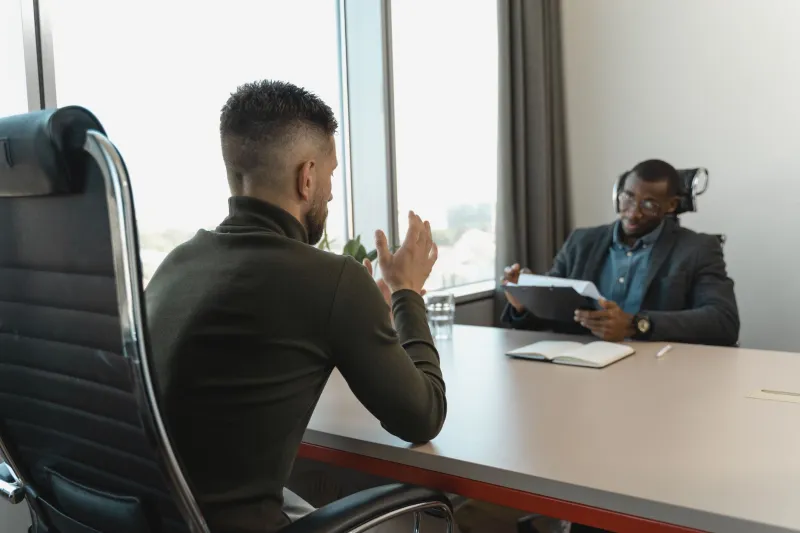
Don't Just Agree: How Pushing Back in Interviews Actually Wins the Job

Don't Just Agree: How Pushing Back in Interviews Actually Wins the Job

The candidates who get remembered aren't always the most agreeable ones in the room. Strategic pushback and confident disagreement signal exactly the kind of critical thinking that hiring managers say they want — but rarely see. Here's why knowing when to challenge an interviewer might be your sharpest move yet.


You Asked for Feedback. They Sent a Template. Here's Why.

You Asked for Feedback. They Sent a Template. Here's Why.

The candidates most eager to grow are the ones hiring teams are least likely to level with. Post-interview feedback requests are almost universally met with silence or corporate boilerplate — and the reasons behind that silence say a lot more about organizations than they do about candidates.

Own Your Failures Before Someone Else Does: Why Flawed Candidates Get the Callback

Own Your Failures Before Someone Else Does: Why Flawed Candidates Get the Callback

Counterintuitive but backed by research: candidates who openly discuss their professional stumbles consistently outperform polished, error-free presenters in hiring decisions. It turns out that admitting you've screwed up — and grown from it — might be the most powerful thing you can say in an interview room.

Shut Up and Ask Something: How Candidates Who Probe Get the Offer

Shut Up and Ask Something: How Candidates Who Probe Get the Offer

Most candidates treat the 'any questions for us?' moment like a formality — smile, say something polite, and get out. But the research tells a different story. Candidates who ask sharp, substantive questions don't just leave a better impression — they fundamentally change how interviewers remember them.

Too Good for the Room: Why Exceptional Credentials Can Work Against You in Interviews

Too Good for the Room: Why Exceptional Credentials Can Work Against You in Interviews

Having an impressive track record should be an asset in any interview — so why do some of the most accomplished candidates keep walking away empty-handed? The answer has less to do with their résumé and more to do with how mastery gets misread in the room. Understanding this dynamic might be the most underrated skill in a senior professional's toolkit.

When Being Great at the Job Makes You Terrible at Getting It

When Being Great at the Job Makes You Terrible at Getting It

Some of the most capable people in any field consistently bomb interviews — not because they lack skill, but because the interview format itself punishes the way high performers think. Understanding the psychology behind this paradox can change how you hire and how you show up.

What Your Hands Are Saying While Your Mouth Is Talking

What Your Hands Are Saying While Your Mouth Is Talking

Your resume got you in the room, but your body might be talking its way right back out. Hiring managers pick up on nonverbal cues constantly — often without realizing it. Here's how to take control of the signals you're sending before the first question is even asked.